FixedFloat is an automated instant exchange with a very specific personality: fast, technically minded, and built around cryptocurrency users who do not want a conventional account. It has long been popular with people swapping between Bitcoin, Litecoin, Ethereum, stablecoins and Lightning-enabled assets. The name refers to its two pricing modes, fixed and float, not to a promise that every transaction will be predictable. That distinction matters.
At its best, FixedFloat feels almost mechanical. You select an asset pair, choose a pricing mode, provide an address, and the system creates a deposit. There is no account dashboard to babysit and no long sign-up process. For experienced wallet users, that can be refreshing. The interface gets out of the way, which is one reason it has built a following despite operating in a fiercely competitive field.
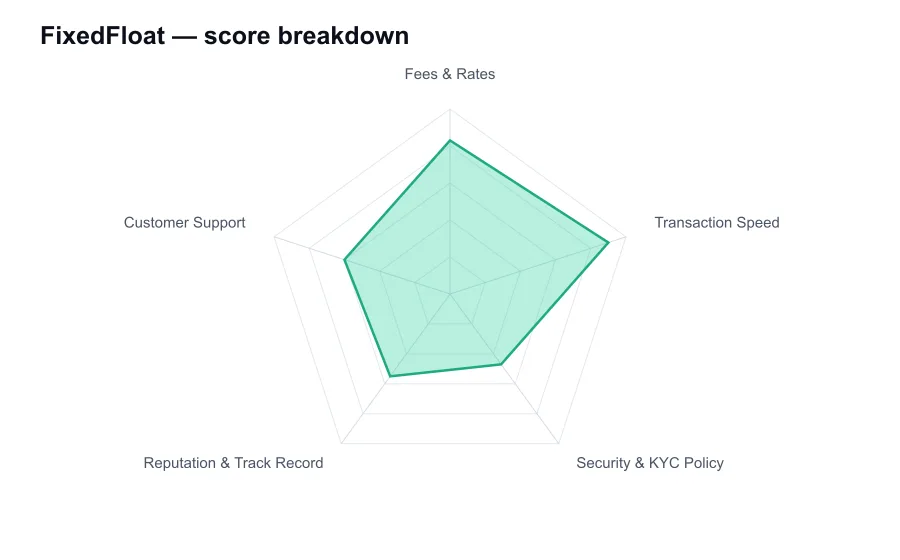
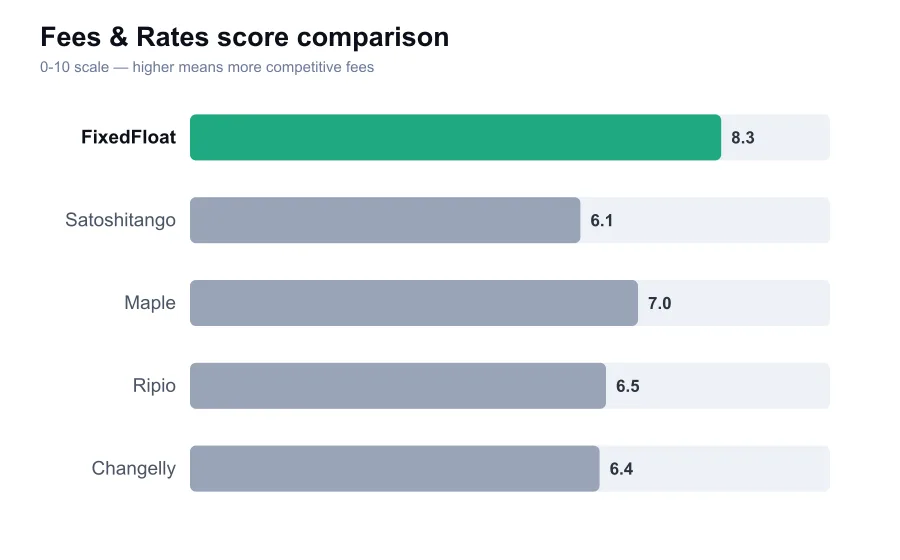
Its fee structure is unusually clear by instant-exchange standards. Floating-rate exchanges have historically carried a 0.5 percent service fee, while fixed-rate exchanges have carried a 1 percent service fee, with network fees added as applicable. Those figures are easy to understand. They do not mean the final quote will always beat every competitor, since market spread and network conditions still affect the result, but clear disclosure is a genuine advantage.
The floating option is the cheaper choice if you can accept market movement between deposit and execution. If the asset rises or falls materially during confirmations, your output changes accordingly. Fixed rate costs more because FixedFloat takes on some price risk during the exchange window. For a small Litecoin swap, that extra protection may be unnecessary. For a BTC-to-stablecoin conversion in a sharp market move, it can be worth every basis point.
FixedFloat has also been associated with competitive execution on routes involving Lightning Network. Lightning can make small Bitcoin-denominated conversions dramatically faster and cheaper than waiting for an on-chain BTC deposit. That is a real differentiator for users who understand invoices, liquidity constraints, and routing. It is not beginner territory, though. A bad invoice, an expired payment request, or an unsupported wallet feature can turn an apparently simple swap into an anxious support ticket.
Speed is where FixedFloat earns its strongest score. The service is highly automated, and normal exchanges involving liquid assets often move promptly once the incoming payment is detected and confirmed. Lightning transactions can be near immediate. Litecoin and other quick networks can also produce a very smooth experience. The automation is useful because it minimizes manual intervention and avoids the sluggish processing queues found at some larger but less focused platforms.
There are limits to that speed. Bitcoin on-chain transactions still need confirmations, and a user who broadcasts with a poor miner fee should not expect the platform to rescue the timetable. Ethereum congestion can delay token deposits or inflate the effective cost. FixedFloat's status may show that it is waiting, but it cannot move coins that have not arrived. This sounds obvious, yet much of the negative feedback aimed at instant exchanges is really frustration with blockchain timing.
The security story is more complicated. FixedFloat's noncustodial, no-account model reduces the amount of customer data it collects and avoids the risk of leaving a long-term balance with the service. That is valuable. You send funds for a single conversion and receive the output in your own wallet. But during that conversion, you must trust the operator's automation, infrastructure, and liquidity. There is no multisig escape hatch if the service fails to send.
The platform has historically operated without mandatory KYC for routine swaps, which is a major draw for privacy-oriented crypto users. As with every serious exchange service, that should not be read as immunity from compliance controls. Suspicious transactions, sanctions exposure, theft indicators, or legal requests can lead to a hold or an information request. Users who need a formally regulated relationship should not choose a pseudonymous swap service and then be surprised by its boundaries.
A major reputational issue cannot be ignored. FixedFloat publicly disclosed significant exploits in February 2024, with blockchain investigators linking thefts totaling roughly $26 million and then about $3 million. The incident was serious, and it damaged the assumption that a heavily automated exchange is merely a neutral software layer. Any review that talks only about quick swaps while omitting this history is not giving readers the full picture.
The relevant question now is not whether the breach happened, because it did, but how a user should adjust behavior afterward. FixedFloat remained active, yet public technical detail about remediation, reserves, operational controls, and customer protection has not matched the transparency expected from a regulated financial institution. That does not make every current order unsafe. It does mean users should limit exposure to the amount needed for one conversion and avoid treating it as a trusted settlement counterparty for large sums.
Support is functional but lean. Automated services often shine when everything follows the expected path and feel distant when it does not. FixedFloat offers support channels and order tracking, but users with a delayed transaction need concise, useful human answers rather than a link to a transaction explorer. Reports on support are mixed, which is unsurprising for a platform handling edge cases that may involve blockchain issues beyond its direct control.
I still see a place for FixedFloat. It is one of the better tools for technically comfortable users who value transparent base fees, fast automated processing, and Lightning capability. Its security history prevents me from treating it casually. A small or medium swap that you monitor closely is one thing. Routing an amount that would seriously hurt to have delayed during an investigation is another.
FixedFloat is a sharp tool, not a safe harbor. Its pricing model and speed are more impressive than many competitors, and it has genuine utility for crypto-native users. The 2024 exploits, however, demand a lower trust score than its polished product experience might otherwise deserve. Use it for execution, not custody. Keep records, test unfamiliar routes, and reserve larger transactions for venues whose security and accountability can withstand heavier scrutiny.