Pegasusswap is a far less established name than the big centralized exchanges, and that fact should shape the entire decision. It presents itself as a crypto swapping service rather than a full financial platform with years of audited public reporting, broad licensing coverage and a large visible corporate footprint. A smaller service can still work perfectly well, but users should not grant it the automatic trust they might give a long-running regulated broker.
The appeal is obvious. Swap-focused services try to reduce crypto exchange to a few steps: choose the assets, enter a receiving address, send funds and wait for delivery. For a user who only wants to exchange one coin for another, that can feel cleaner than opening an order-book account, depositing fiat and navigating a trading terminal. Convenience is valuable, but it should not substitute for diligence.
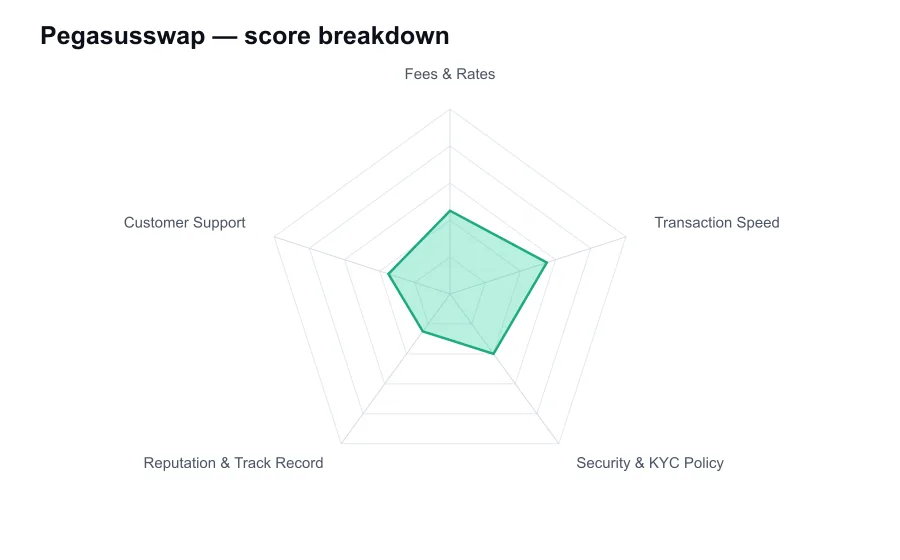
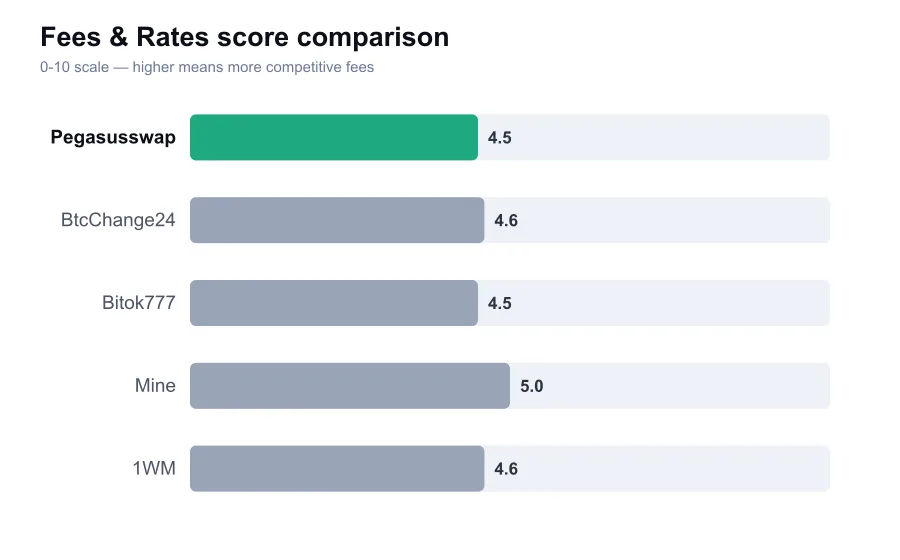
The first problem is fee transparency. Pegasusswap does not have the kind of deeply documented, public maker-and-taker schedule that lets a customer compare it cleanly with Kraken, Coinbase Advanced or Binance. The effective cost is generally embedded in the quoted rate and can include liquidity-provider pricing, network charges and service margin. That model is common among instant exchangers, but it means a customer needs to compare the final amount received, not rely on a vague claim of low fees.
Before sending any meaningful amount, get quotes from at least two alternatives at the same moment. Compare the amount of destination asset, the network selected and whether the quote is fixed or floating. A quote that looks attractive can stop being attractive if a thinly traded token carries a large spread. This is especially important during sharp market moves, when a floating-rate swap can settle at a meaningfully worse level than the initial screen suggested.
Speed depends on two separate systems. Pegasusswap can process its own order instructions quickly, but it cannot bypass blockchain confirmations or the liquidity venue used to complete a swap. A popular asset on a normal network may arrive in minutes after the deposit is confirmed. A congested Bitcoin or Ethereum transaction, a token with limited liquidity, or a compliance review can take far longer. Anyone promising instant delivery across every chain is overselling.
Network selection is a practical risk. Sending USDT or USDC on the wrong chain is one of the easiest ways for a casual customer to turn a quick conversion into a support ticket. Check the exact network and address format on both sides, then send a small test amount where possible. That advice is not glamorous, but it matters much more at smaller swap services, where recovery processes may be limited and customer service capacity is harder to judge.
Security is where Pegasusswap leaves the least room for complacency. A noncustodial swap flow can reduce the time a platform holds user funds, which is preferable to leaving a large balance on an exchange. Yet noncustodial is not a magic word. The customer still has to trust the website, the quote engine, the destination-address process and any liquidity counterparties used behind the scenes. A fraudulent clone site can be just as dangerous as a poor exchange.
I would not use a service with limited public operating history as a vault, and there is no reason to do so. Keep assets in a wallet you control until a swap is ready, send only the amount required, and move the received coins to your own wallet after completion. That approach limits exposure even if the service operates properly. It also makes any dispute less damaging if something goes wrong.
KYC policies at smaller instant exchanges can be conditional rather than absent. A service may allow a routine swap without upfront identity verification, then request identification, transaction details or source-of-funds evidence if automated risk tools flag an order. That possibility should be understood before funds are sent. If documentation is requested, a transaction can be delayed, and users should not assume a no-registration interface guarantees anonymous settlement.
Reputation is Pegasusswap's weak point. There is simply less independently verifiable evidence of long-term performance, corporate accountability and resilient support operations than exists for established providers. A scarcity of credible third-party discussion is not proof of misconduct. It is, however, a legitimate reason to apply a higher risk discount. Crypto has taught this lesson repeatedly: a sleek swap page is cheap to build, while trustworthy operational history takes years.
Support is another area where expectations should stay modest. Smaller providers often rely on web forms, email and chat channels, which can be adequate for a normal transaction but less comforting during a stuck deposit or address dispute. Before using Pegasusswap, confirm that the support contact is visible, the terms explain refund handling, and the transaction page provides an identifiable order reference. Screenshots of the quote and transaction details are sensible records to retain.
I would also avoid treating social-media replies as proof of support quality. Fast public replies can look reassuring, but the real test is whether a company can resolve a difficult case involving confirmations, a delayed payout or an AML request. A provider with a small public profile has not necessarily failed that test. The issue is that prospective customers have limited evidence that it has passed it consistently.
Pegasusswap may be useful for a small, straightforward conversion where the received quote is clearly better than the alternatives and the customer understands the chain involved. It is not a platform I would choose for large orders, recurring purchases, fiat deposits or an account holding. Those jobs call for a provider with clearer corporate disclosures, published fees and a well-established support record.
My take is blunt: Pegasusswap has to earn trust transaction by transaction because it does not have the reputation reserve enjoyed by older brands. Use it cautiously, with a test transfer and a self-custody wallet, if the quote genuinely wins. For substantial money, I would pay a little more for a better-known venue rather than gamble on opacity.